
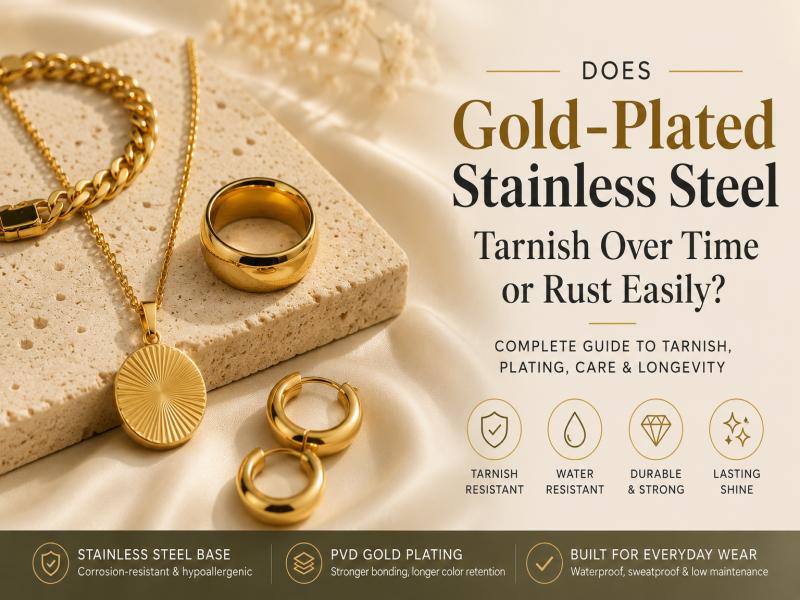
Gold-plated stainless steel can fade with wear, but the stainless steel base itself is highly resistant to tarnish, rust, and daily corrosion. The real question is not only does gold plated stainless steel tarnish, but how plating quality, steel grade, and daily habits affect longevity.
In this guide, you will learn what causes fading, whether stainless steel rusts, how long plated jewelry lasts, and how to choose better products.
What Is Gold Plated Stainless Steel?
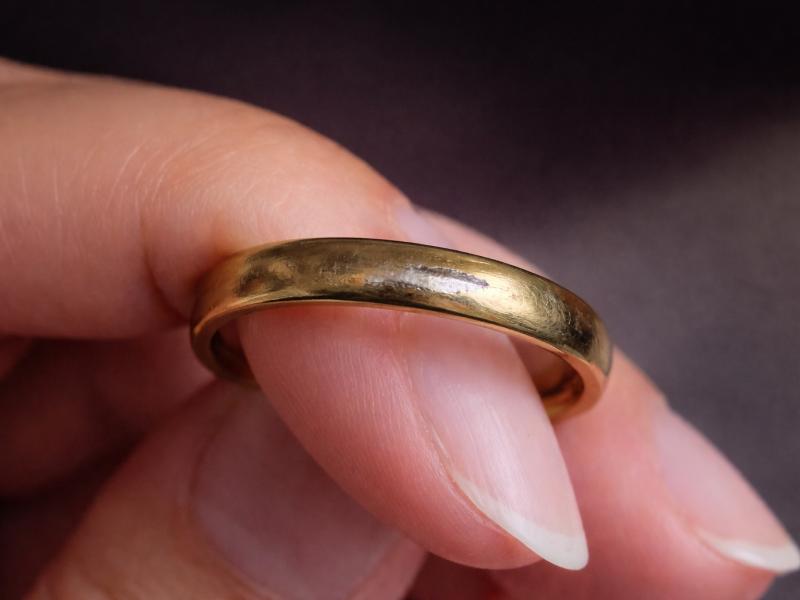
Gold plated stainless steel jewelry uses a stainless steel base metal with a thin gold-colored surface layer applied through plating technology.
The stainless steel core provides strength, corrosion resistance, and better durability than many fashion alloys. It also requires less maintenance than metals that tarnish quickly.
This is why many brands choose stainless steel instead of brass or copper-based materials.
It is also different from other gold jewelry types:
- Solid gold is made of gold alloy throughout.
- Gold filled uses a thicker bonded gold layer.
- Gold plated uses a thinner surface coating over a base metal.
For modern fashion jewelry, gold plated stainless steel jewelry offers a strong balance of appearance, price, and durability.
How Gold Plating Bonds to Stainless Steel
There are two common methods used in jewelry manufacturing.
PVD / IP Plating
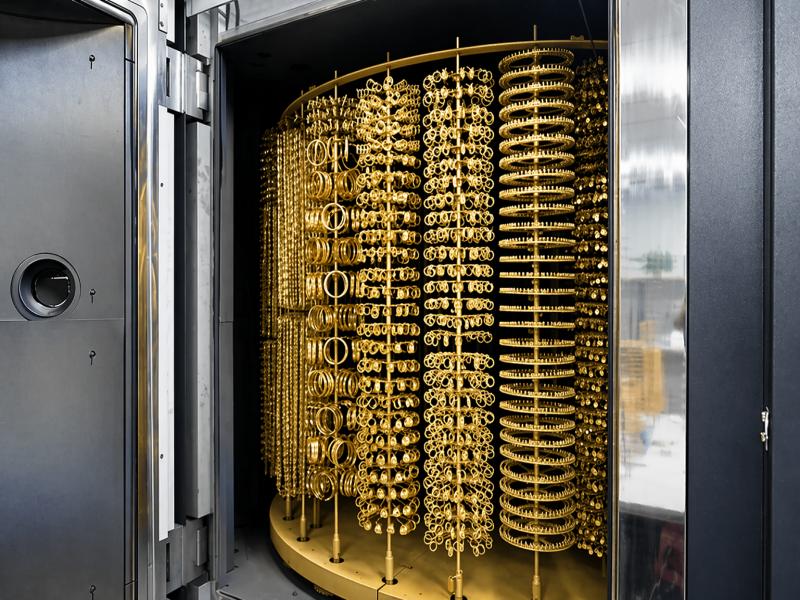
PVD (Physical Vapor Deposition), also called ion plating, is widely used for stronger wear resistance. A hard coating layer bonds to the surface under vacuum conditions.
Benefits include:
- stronger adhesion
- better color retention
- smoother finish
- more durable performance than cheap flash plating
Some factories use titanium nitride (TiN) coatings to create a gold tone with added hardness.
Electroplating
Traditional electroplating deposits gold through chemical current. It can create an attractive finish, but thin low-cost plating often wears faster than high-quality PVD.
Real-World Manufacturing Insight
In many cases, the stainless steel base is not the main reason jewelry loses color. Long-term performance usually depends more on plating method, coating thickness, surface preparation, and how the piece is worn daily.
Does Stainless Steel Tarnish?
This is one of the most searched jewelry questions: does stainless steel tarnish?
The short answer is that high-quality stainless steel rarely tarnishes under normal use.
Unlike silver or brass, stainless steel contains chromium. Chromium forms a protective oxide layer that helps resist discoloration and corrosion.
That means stainless steel jewelry usually offers:
- lower maintenance
- better sweat resistance
- better water resistance
- more stable color over time
However, not all stainless steel is equal. Genuine 316L performs better than many low-grade unknown alloys.
Does Gold Stainless Steel Tarnish?
A better version of this search is: does stainless steel gold tarnish?
The stainless steel base usually does not tarnish easily. The gold-colored surface layer is the part that may fade, dull, or wear down over time.
So the answer depends on what part of the jewelry you mean:
- The steel base is highly durable.
- The gold coating depends on quality and thickness.
If the plating is thin and the piece is worn daily, visible wear can happen faster.
Will Stainless Steel Jewelry Rust?
Another common concern is will stainless steel jewelry rust.
In most everyday conditions, no.
Quality stainless steel jewelry—especially 316L—has strong resistance to rust when supported by proper quality control standards. But extreme situations may still create issues, such as:
- long-term saltwater exposure
- harsh chemicals
- bleach or chlorine
- damaged surface contamination
- fake or poor-quality alloys sold as stainless steel
For normal wear, stainless steel remains one of the best low-maintenance jewelry materials.

Will Stainless Steel Rings Tarnish Faster?
Many shoppers ask: will stainless steel rings tarnish?
Rings experience more friction than most jewelry because hands touch surfaces constantly:
- desks
- keys
- gym equipment
- sinks
- soap and cleaners
The steel base still performs well, but rings usually show wear faster than earrings or necklaces because they receive more contact. This matters even more for plated rings, since friction can gradually thin the coating.
Will Surgical Steel Tarnish?
Will surgical steel tarnish is another frequent question.
Surgical steel is a high-standard stainless steel category commonly used in piercings and body jewelry. It is chosen for durability, corrosion resistance, and a lower chance of irritation.
In most cases, surgical steel is highly resistant to tarnish and corrosion, making it a strong option for jewelry worn daily.
If you sell body jewelry, you can internally link to your piercing collection page here.
Factors That Cause Gold Stainless Steel Tarnish
Even durable jewelry can lose appearance if used harshly. Common causes include the following.
Chlorine
Swimming pools and cleaning chemicals may weaken plated surfaces.
Moisture and Residue
Soap, hard water minerals, and sweat buildup can reduce shine over time.
Perfume and Lotion
Skincare products may leave residue and slowly affect the coating.
Friction
Bracelets and rings rub against surfaces every day.
Low-Quality Plating
Very thin low-cost coatings fade faster than professional PVD layers.
How Long Do Stainless Steel Jewelry Last?
A major buyer question is how long do stainless steel jewelry last.
Solid stainless steel pieces often last for many years with normal care. Necklaces and earrings can remain attractive for a very long time because they face less friction. Bracelets may wear faster because they contact desks and surfaces more often. Rings usually show wear first because hands are used constantly.
For plated items, lifespan depends on wear habits and plating quality.
General expectations:
- occasional wear lasts longer
- daily ring wear fades faster
- necklaces and earrings often outlast rings
- better plating technology extends color life
A quality plated necklace may stay attractive for years, while a daily ring may need refinishing sooner.
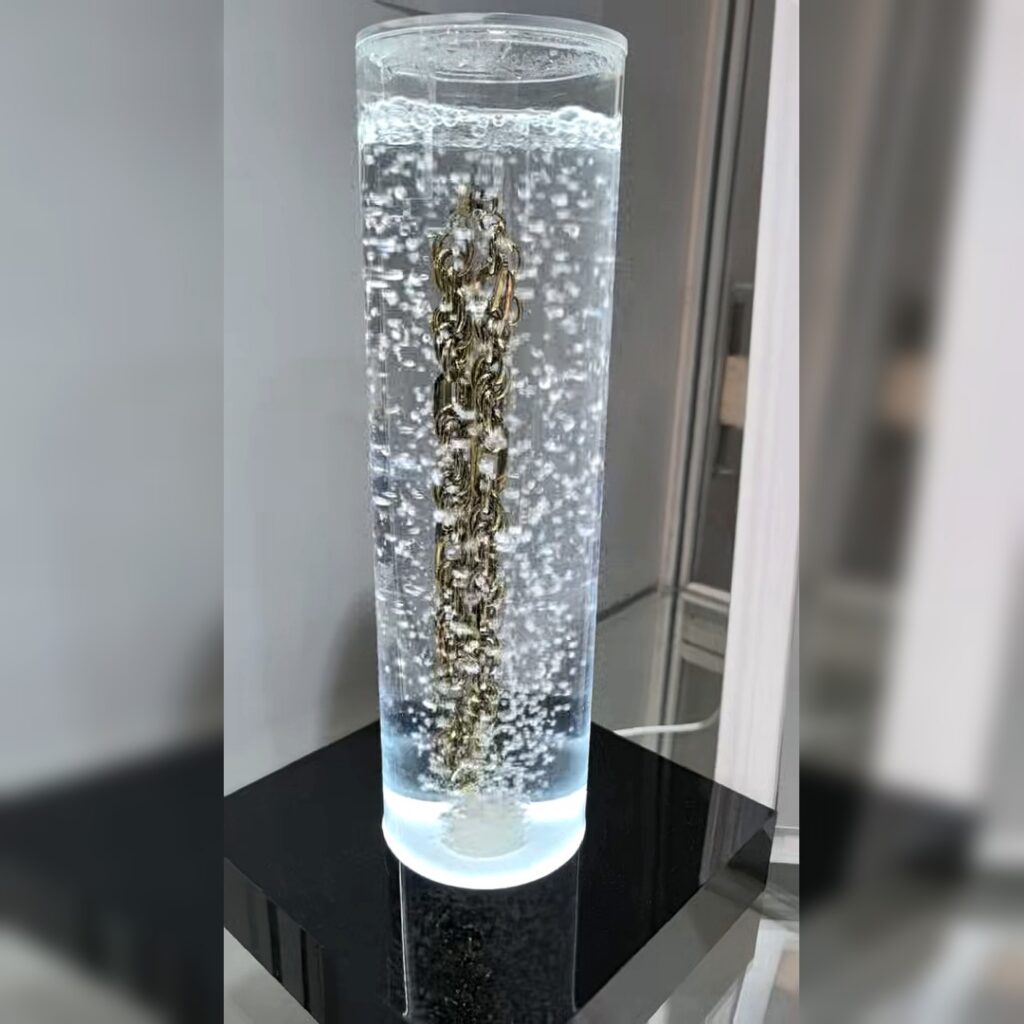
What We Commonly See in Daily Wear
Necklaces and earrings usually keep their finish longer because they face less friction. Rings and bracelets tend to show wear earlier due to frequent contact with hands, desks, water, and hard surfaces.
What About Steel Bracelet Mens Styles?
Searches like steel bracelet mens show strong buyer intent. Men’s bracelets remain popular because stainless steel offers a stronger feel, masculine appearance, and easier maintenance than many softer metals.
Popular reasons buyers choose them include:
- solid weight and feel
- scratch resistance
- waterproof daily wear appeal
- modern styling
- lower maintenance
This is a strong place to add internal links to your Men Jewelry page or Bracelet category page.
How to Prevent Tarnish on Gold Plated Jewelry
To extend the life of plated jewelry:
- remove jewelry before swimming
- avoid spraying perfume directly on jewelry
- apply lotion before wearing
- wipe jewelry after each wear
- store in a dry pouch
- remove during heavy abrasion work
- choose PVD on 316L stainless steel
Small habits make a big difference over time.
While our PVD Gold Plated Stainless steel jewelry with AF coating keep colors longers, even you have the habits above, also keep color long.
Cleaning and Repair for Plated Stainless Steel
For regular cleaning:
- use mild soap and warm water
- use a soft cloth
- dry completely after cleaning
- avoid abrasive brushes
- avoid harsh cleaners
If the finish becomes thin, professional re-plating is often possible and may restore the appearance.
Stainless Steel vs Other Jewelry Metals
Compared with silver, stainless steel usually needs less maintenance because silver can darken over time. Compared with brass, stainless steel is more stable and less likely to discolor skin. Compared with solid gold, stainless steel is far more affordable while still offering strong durability. Our Stainless steel jewelry varies from US$ 0.5-US$ 5.0 depends on styles.
For affordable daily wear, stainless steel is often the most practical option.
FAQ
Q1: Does stainless steel turn green on skin?
Usually no. Genuine stainless steel does not commonly react the way copper-based alloys can. Green marks are more often caused by brass, low-grade mixed metals, or residue from sweat and skincare products. With real 316L stainless steel, this issue is uncommon.
Q2: Is gold plated stainless steel waterproof?
The stainless steel base handles water well, but repeated water exposure can shorten the life of the plated finish. Occasional contact with water may be fine, but daily showers, shampoo, chlorine, and hard water minerals can reduce shine faster. For maximum longevity, remove plated jewelry before frequent water exposure.
Q3: Can gold plated stainless steel be re-plated?
Yes, in many cases it can. If the base structure remains in good condition, a jeweler or plating specialist may apply a new finish. Re-plating is often worthwhile for favorite designs or proven best sellers.
Q4: Is 316L better than 304 for jewelry?
For many jewelry applications, yes. 316L generally offers stronger corrosion resistance and is widely preferred for premium jewelry, marine environments, and sensitive-skin products.
Q5: Which lasts longer: plated necklace or plated ring?
Usually the necklace. Rings face more friction every day from hands touching surfaces, washing, and movement. Necklaces and earrings normally keep their finish longer.
CTA: Looking for Long-Lasting Gold Plated Stainless Steel Jewelry?
Need a reliable manufacturer for custom necklaces, rings, earrings, bracelets, or waterproof plated collections?
We help brands build durable jewelry lines with:
- 316L stainless steel
- PVD gold plating,but also with AF coating to protect your products longer color.
- low MOQ support
- OEM and custom logo service
- sample development support
Explore our Ring, Necklace, Bracelet, Earring, and Men Jewelry pages, or contact us today for samples