Introduction: Choosing the Right OEM Factory Is a Strategic Decision
For jewelry brands, choosing a stainless steel jewelry OEM factory is not only about price. The real risks often come from unstable plating, poor polishing, weak stone setting, inconsistent bulk quality, unclear communication, and delays after sampling.
A reliable OEM factory should help brands control material, finish, sample accuracy, bulk consistency, compliance, packaging, and long-term repeat production.
This guide explains what professional jewelry brands should check before choosing a stainless steel OEM manufacturer for wholesale or private label jewelry production.
Process Transparency, Not Just Promises
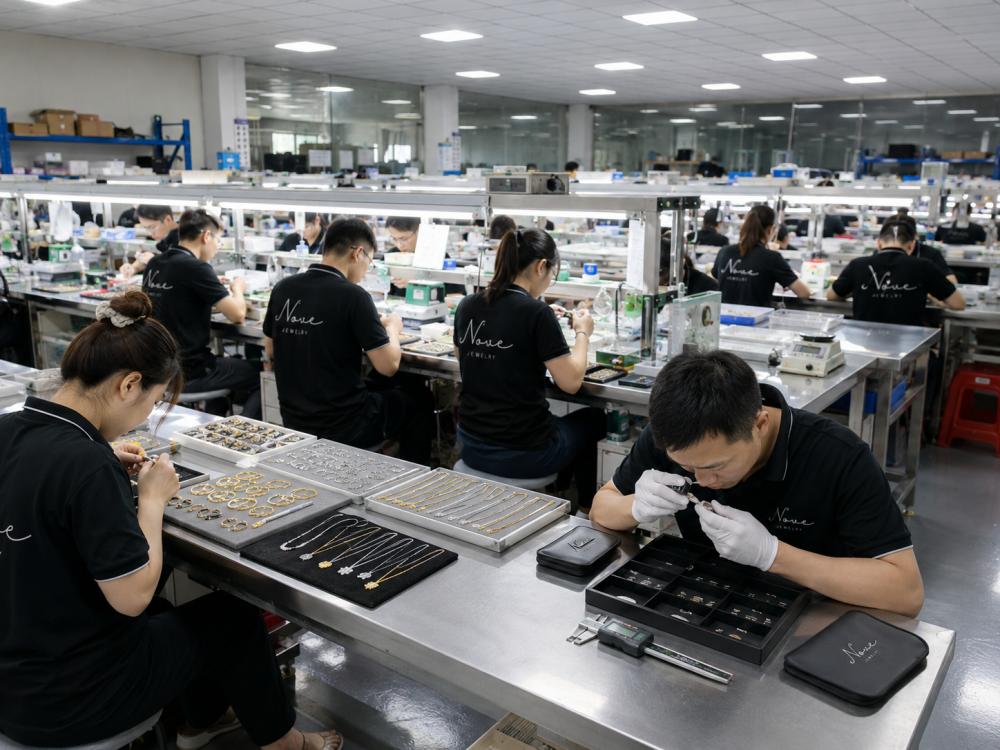
Reliable factories do not rely on vague assurances. They explain how each step is controlled, from material selection and polishing to PVD plating, stone setting, packaging, and final inspection.
For stainless steel jewelry brands, process transparency is especially important because small production differences can affect color stability, surface finish, logo details, and repeat-order consistency.
A professional OEM factory should provide:
- Clear communication about production limitations.
- Defined production workflows
- Documented quality control checkpoints
- Sample approval before bulk production
- Clear communication about production limitations
316L Stainless Steel Material Control
Material control is one of the first things jewelry brands should check. For stainless steel jewelry, 316L stainless steel is commonly used because it offers better resistance to sweat, water, and corrosion than lower-grade stainless steel.
A reliable stainless steel jewelry OEM factory should clearly explain the material grade, product structure, polishing requirements, and suitable production methods for different jewelry categories such as rings, earrings, necklaces, bracelets, and piercing jewelry.
Brands should check:
- Whether the factory uses 316L stainless steel
- Whether the material is suitable for daily wear
- Whether the product structure is practical for bulk production
- Whether polishing can be controlled without damaging details

PVD Plating Capability and Color Stability
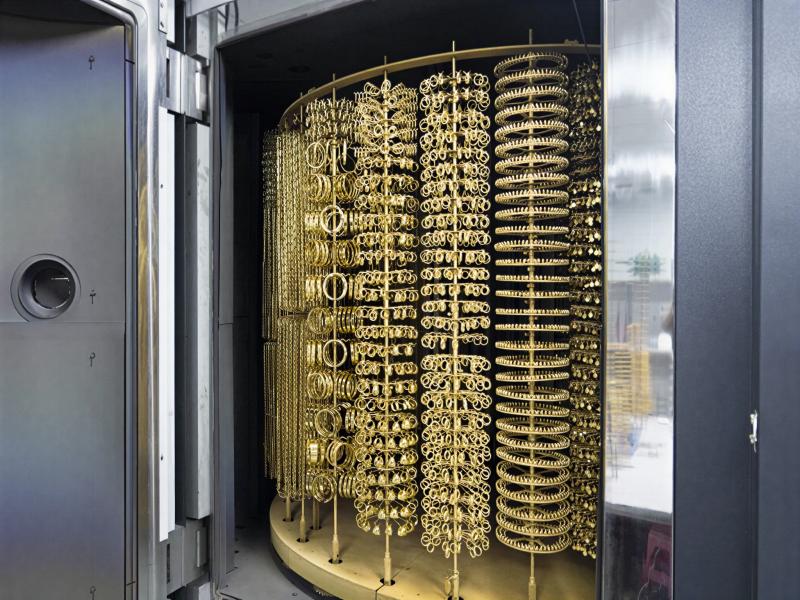
Gold color stability is one of the biggest concerns for jewelry brands. A professional stainless steel jewelry OEM factory should clearly explain its PVD plating process, plating thickness options, color control, and testing support before bulk production.
For gold plated stainless steel jewelry, PVD plating is often used to improve adhesion, water resistance, and daily-wear performance. Brands should also understand that plating performance depends on product type, friction level, plating thickness, and wearing habits.
Brands should ask:
- What plating method is used?
- Can the factory support PVD gold plating?
- Are different plating thickness options available?
- Can plating color consistency be checked before shipment?
- Can salt spray or plating-related testing be supported if needed?
Looking for a stainless steel jewelry OEM factory for your brand?
We support 316L stainless steel jewelry, PVD gold plating, custom molds, logo engraving, private label packaging, and batch-level inspection for wholesale jewelry brands.
Samples That Reflect Real Production
One common OEM mistake is approving samples that are not made with the same material, plating, or production process as the final bulk order.
Professional factories make samples as close as possible to real production conditions, so jewelry brands can evaluate size, weight, plating color, logo details, stone setting, and wearing comfort before committing to bulk production.
Professional factories ensure that:
- Samples use the confirmed material and plating method
- Product size, weight, and structure are clearly checked
- Logo engraving and packaging details are reviewed
- Any sample limitations are communicated before bulk production

In-House Capabilities That Reduce Outsourcing Risk
Factories with stronger in-house capabilities usually offer better control over quality, timing, and communication. For stainless steel jewelry production, this can include polishing, assembly, stone setting, PVD plating coordination, logo processing, packaging, and final inspection.
The more clearly a factory controls each step, the easier it is to solve problems before they affect the final bulk order.
Key capabilities include:
- Product development and sample review
- Polishing and finishing control
- PVD plating coordination
- Stone setting and assembly
- Logo engraving or marking
- Final quality inspection

Batch-Level Quality Inspection Before Shipment
Batch-level inspection helps reduce quality risk before shipment. For stainless steel jewelry, inspection should not only check appearance. It should also review plating color, surface finish, stone setting, size, structure, logo details, and packaging condition.
For jewelry brands placing bulk orders, this step helps reduce returns, complaints, and inconsistent repeat orders.
Inspection can include:
- Surface finish checking
- Plating color consistency
- Stone or pearl setting inspection
- Size and structure checking
- Logo position and clarity
- Packaging and quantity review

Compliance Experience for Target Markets
Experienced OEM partners understand that jewelry brands sell into different markets with different compliance expectations. For stainless steel jewelry, buyers may need nickel-free testing, heavy metal testing, salt spray testing, or batch-related inspection records depending on the product type and destination market.
For brands selling in Europe or North America, compliance support can help reduce legal, quality, and reputation risk.
A factory may support:
- Nickel-free testing
- Heavy metal testing
- Salt spray testing
- Material-related documents
- Batch inspection records
- Reports for EU or international buyers

Private Label and Customization Support
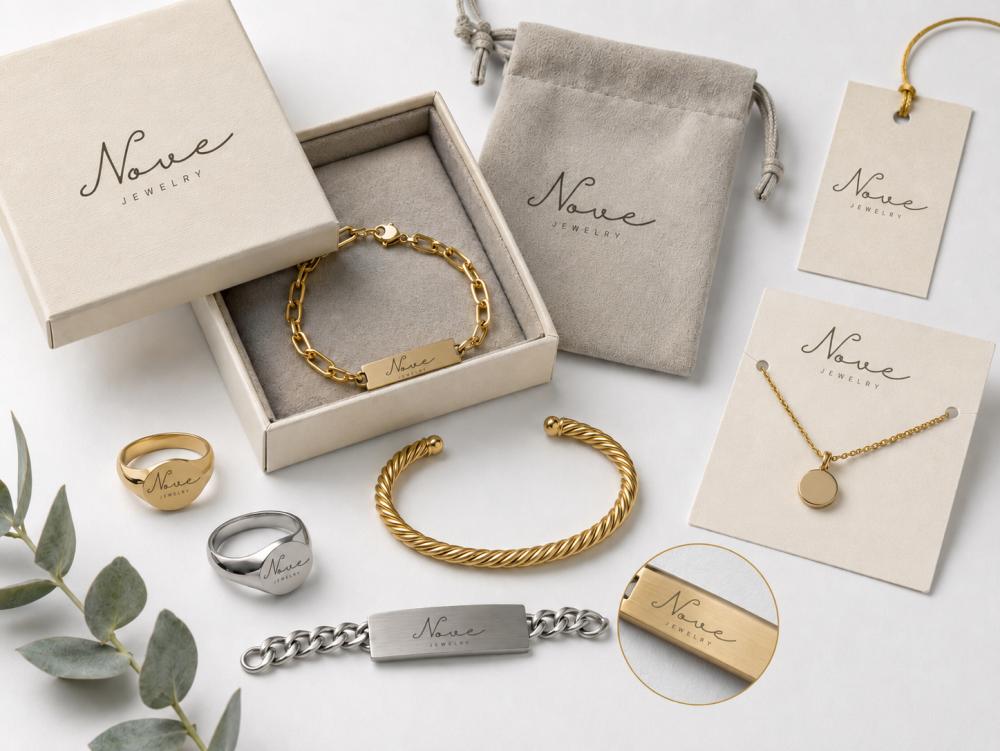
For growing jewelry brands, OEM support should go beyond the product itself. Logo engraving, custom packaging, jewelry cards, plating colors, stone options, and size adjustments can help make a stainless steel jewelry collection more brand-ready.
A professional stainless steel jewelry OEM factory should be able to help brands review which details are practical for production and which details may increase cost, lead time, or quality risk.
Customization options may include:
- Custom jewelry styles
- Logo engraving or marking
- PVD gold, silver, rose gold, or steel color finishes
- Stone, pearl, or CZ options
- Jewelry cards and packaging
- Private label production support
First-Order Risk Management Mindset
Professional factories understand that first orders carry more uncertainty than repeat orders. The first cooperation should focus on confirming product quality, communication efficiency, sample accuracy, packaging details, and realistic production expectations.
A good OEM partner does not push brands to scale too quickly before product details are proven.
For first orders, brands can reduce risk through:
- Sample approval before bulk production
- Trial orders before scaling
- Clear plating and material confirmation
- Additional inspection for first production
- Clear after-sales and replacement terms
OEM Factory Checklist for Jewelry Brands
Before choosing a stainless steel jewelry OEM factory, jewelry brands should review both product quality and cooperation reliability. A low price is not enough if the factory cannot control materials, plating, samples, delivery, and repeat-order consistency.
Use this checklist before confirming a factory:
- Does the factory understand 316L stainless steel jewelry?
- Can it support PVD gold plating?
- Can it make samples before bulk production?
- Are custom molds and logo engraving available?
- Can it support private label packaging?
- Does it check plating color and surface finish?
- Can it support nickel-free or heavy metal testing?
- Does it offer batch-level inspection before shipment?
- Can it keep records for repeat orders?
- Does it understand wholesale and jewelry brand requirements?
Final Thoughts
Choosing a stainless steel jewelry OEM factory is not about finding the cheapest supplier. It is about finding a production partner that can support material control, PVD plating stability, sample accuracy, compliance, batch inspection, and long-term repeat production.
For jewelry brands that value consistency, durability, and scalable customization, the right OEM factory becomes more than a supplier. It becomes part of the brand’s quality foundation.

Send us your design, reference style, or sourcing requirement. We can help review material, plating, sample options, MOQ, packaging, and production details for your next stainless steel jewelry collection.
FAQ
Q1: What is a stainless steel jewelry OEM factory?
A stainless steel jewelry OEM factory produces jewelry based on a brand’s designs, reference styles, logo requirements, plating colors, packaging needs, and bulk order specifications.
Q2: Why do jewelry brands choose 316L stainless steel?
316L stainless steel is widely used for jewelry because it offers better resistance to water, sweat, and corrosion, making it suitable for daily-wear rings, earrings, necklaces, bracelets, and piercing jewelry.
Q3: Can stainless steel jewelry be gold plated?
Yes. Stainless steel jewelry can be finished with PVD gold plating, which provides stronger adhesion and better daily-wear resistance than many traditional plating methods.
Q4: What should brands check before placing a bulk jewelry order?
Brands should confirm material grade, plating method, sample accuracy, logo details, stone setting, product size, packaging, testing requirements, and batch-level inspection standards.
Q5: Can an OEM factory support private label jewelry?
Yes. A stainless steel jewelry OEM factory can support private label jewelry through logo engraving, custom packaging, jewelry cards, product labels, and brand-specific design adjustments.
Q6: How can brands reduce quality risk in bulk production?
Brands can reduce risk by confirming samples before bulk order, setting clear inspection standards, checking plating color, reviewing stone setting, and requesting batch-level quality inspection before shipment.