Introduction: Why the First OEM Order Feels Risky
For many jewelry brands, the first overseas OEM order is the most stressful one.
Concerns usually sound familiar:
- Will the gold color fade after a few months?
- Will the samples match the mass production?
- Can the products pass EU and Nickel-Free testing?
- What happens if issues are discovered after delivery?
- Who is responsible when something goes wrong?
These concerns are valid.
In fact, most failed OEM collaborations don’t fail because of design — they fail because risk was never properly controlled from the beginning.
This article explains how experienced brands reduce those risks before committing to mass production — and why the right manufacturing system matters more than the lowest price.
Common Reasons Stainless Steel Jewelry OEM Projects Fail
After years of working with international brands, we’ve seen the same problems repeat again and again:
1. Choosing Based on Price Instead of Process
Low pricing often means shortcuts in plating thickness, testing, or structure reinforcement — issues that only appear after products reach the market.
2. Samples That Don’t Represent Mass Production
Many suppliers create “presentation samples” that look perfect but are not made using the same processes as bulk orders.
3. No Clear Testing or Compliance Plan
EU compliance, Nickel-Free standards, and material safety are often treated as optional — until products fail testing.
4. Lack of Protection for the First Order
When something goes wrong, the brand absorbs the cost because no clear responsibility framework was set upfront.
Reducing OEM Risk Starts With Breaking It Down
Reliable jewelry manufacturing is not about promises.
It’s about controlling a few critical risk points.
Below are the five areas professional brands focus on before scaling production.
1. Material & Plating Durability
Color fading and oxidation are the most common post-sale complaints.
Risk is reduced by:
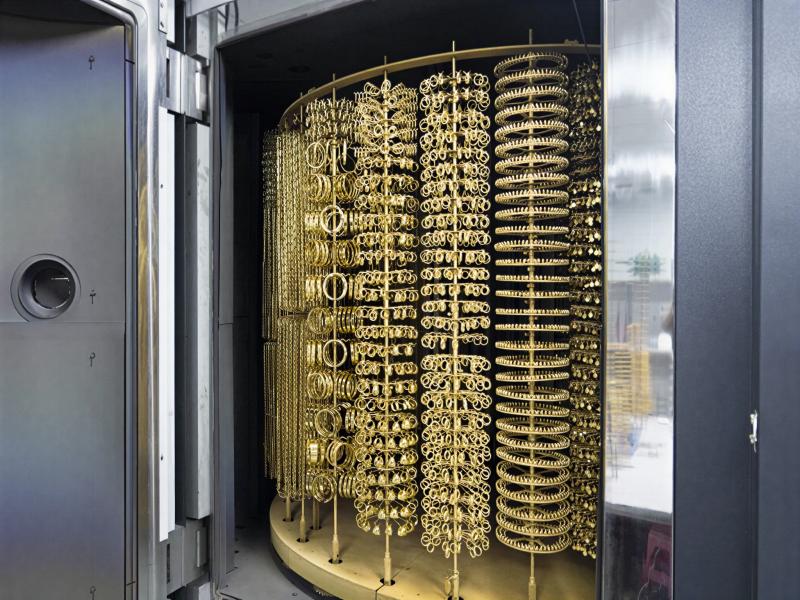
- Using PVD / IP vacuum gold plating, not flash plating
- Verifying gold layer thickness with documented reports
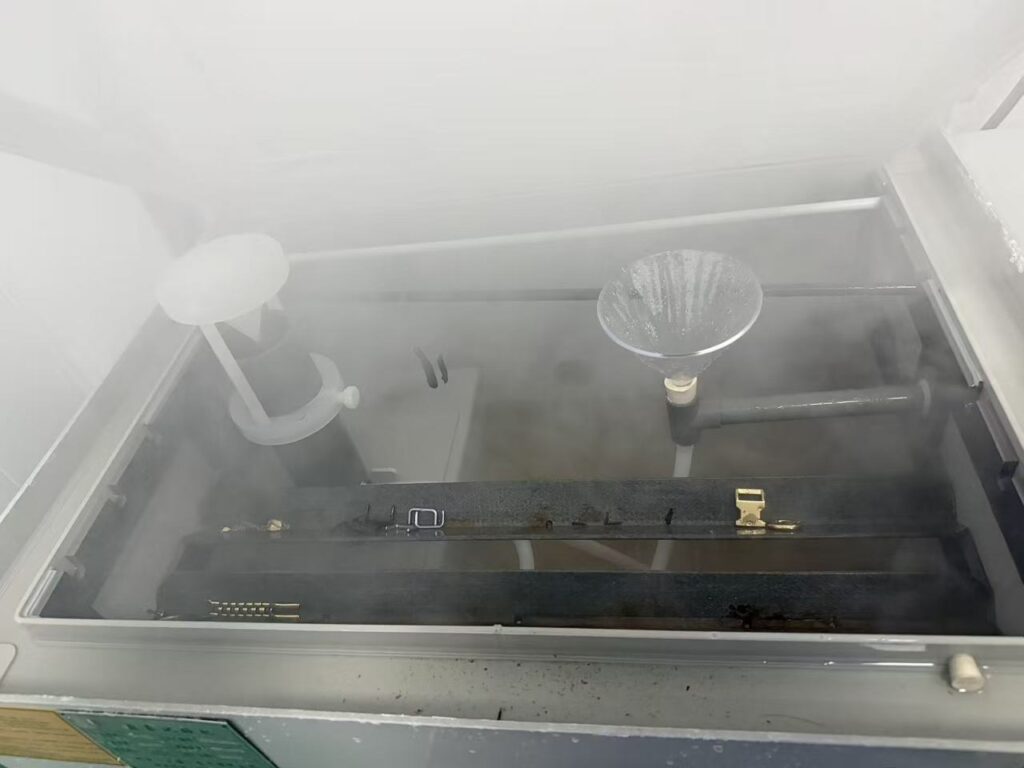
- Conducting salt spray testing to validate anti-tarnish performance
These steps ensure jewelry maintains its color and finish under normal daily wear for up to two years.
2. Structural Stability
Jewelry failure is rarely about appearance — it’s about structure.
Critical controls include:
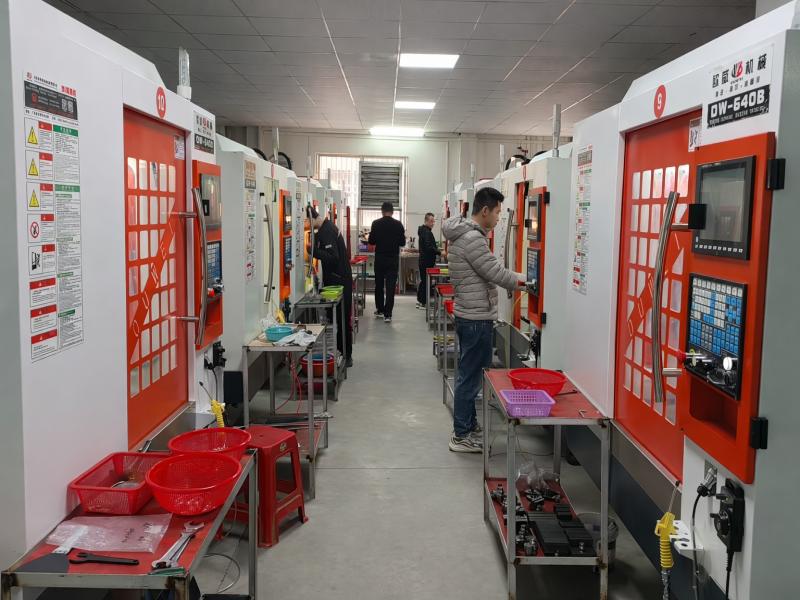
- CNC precision machining for consistent dimensions
- Fully welded connection points, especially on rings, chains, and stone settings
- Mirror polishing that improves both comfort and durability
Stable structure means fewer returns, fewer complaints, and better long-term retail performance.
3. Compliance & Safety Testing
For brands selling in Europe, compliance is non-negotiable.
Professional OEM processes include:
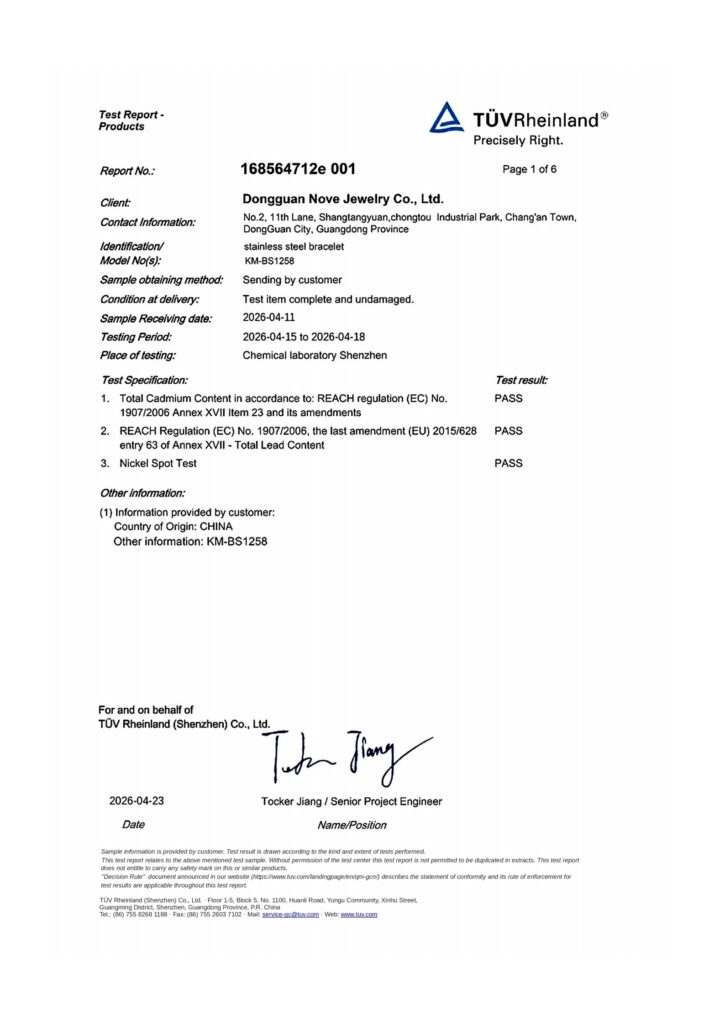
- TÜV Nickel-Free testing, especially for first production orders
- Material safety verification
- Clear documentation supporting EU market requirements
Testing should not be an afterthought — it should be part of the production workflow.
4. Prototyping Before Commitment
Fast and accurate prototyping dramatically reduces misunderstanding.
Effective systems include:
- 3D CAD design within 48 hours
- In-house 3D printed prototypes for size, structure, and appearance confirmation
- Physical samples that reflect actual production processes
This stage protects both sides before any large investment is made.

5. Clear First-Order Risk Protection
Serious manufacturing partners do not treat first orders casually.
Responsible approaches include:
- Controlled trial orders instead of blind scaling
- Defined after-sales support for structural issues discovered before retail
- Clear communication during production and before shipment
This framework ensures that risk is shared — not transferred entirely to the brand.
Who This Approach Is Designed For (And Who It Is Not)
This manufacturing model is built for:
- Jewelry brands developing long-term collections
- Retailers and designers planning repeat orders
- Businesses that value process stability, compliance, and consistency
It is not designed for:
- Customers seeking ready-stock inventory
- Ultra-small wholesale quantities below production MOQ
- Price-only sourcing with no interest in testing or validation
Reliable manufacturing requires commitment from both sides.
Final Thoughts: The Safest First Step
The safest OEM projects don’t start with mass production.
They start with verification.
If you are planning a stainless steel jewelry project and want to:
- Confirm durability
- Validate structure
- Ensure compliance before scaling
The most effective first step is to review real samples made under production standards.
Requesting a standard sample is not a purchase decision — it is a risk-control decision.
Call to Action
Validate quality, structure, and finishing before mass production.